I'm Andrea — an architect based in London. I work with homeowners on extensions, loft conversions, listed buildings, and everything in between. I handle the planning, the drawings, and the complexity. You get to focus on what the space will actually feel like to live in.
Each project is different. Each is treated with the same rigour — from first sketch to completed building.
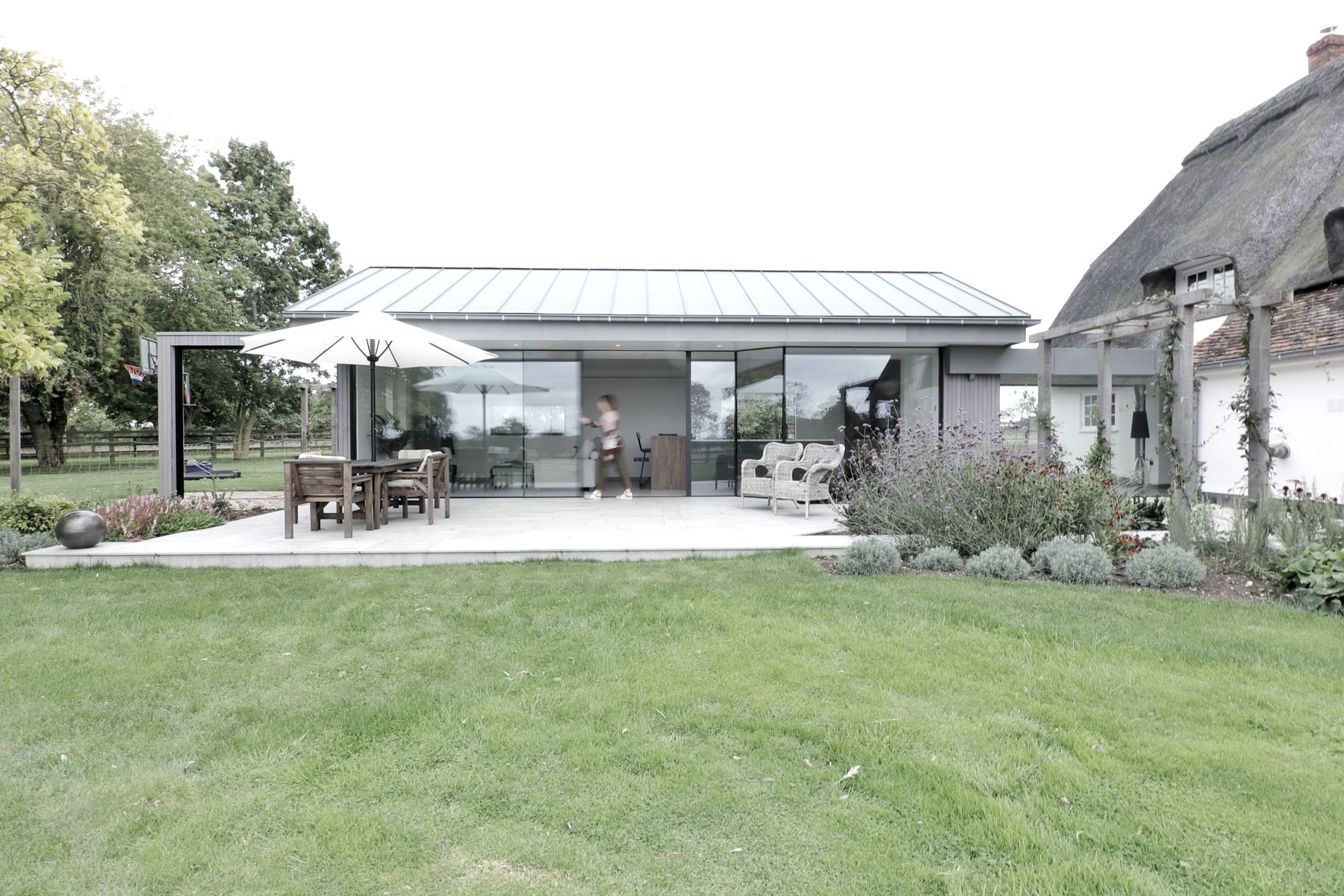
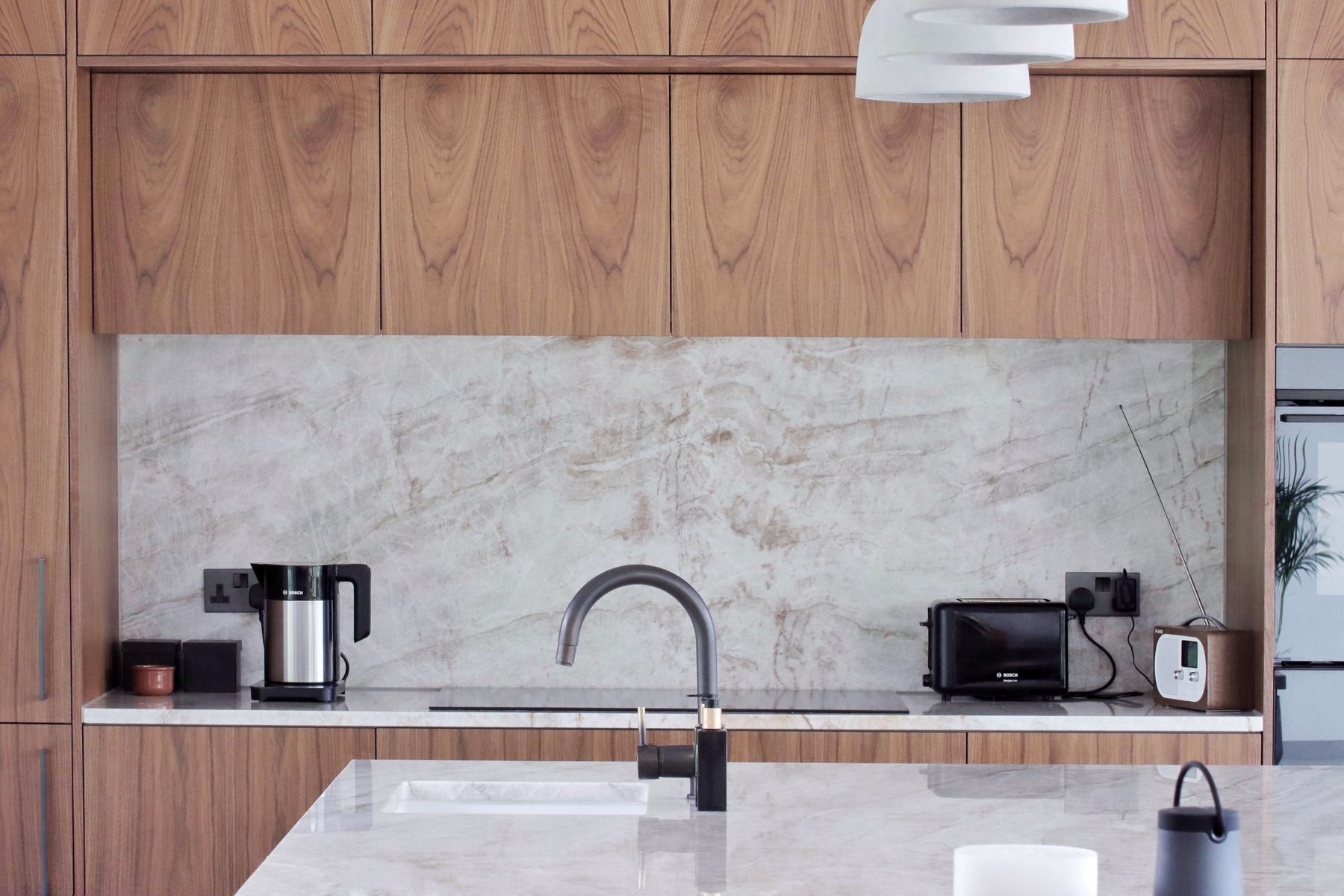
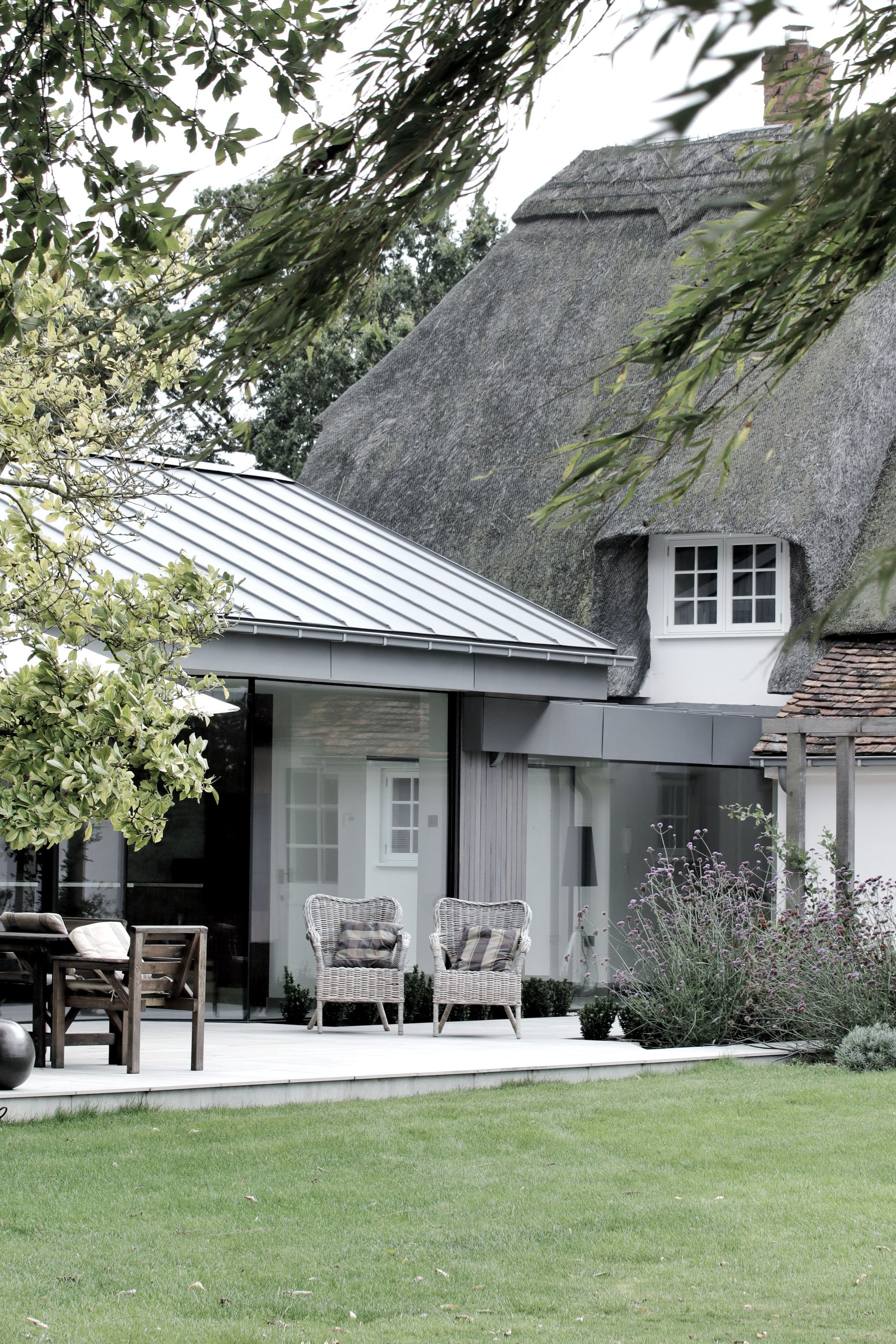
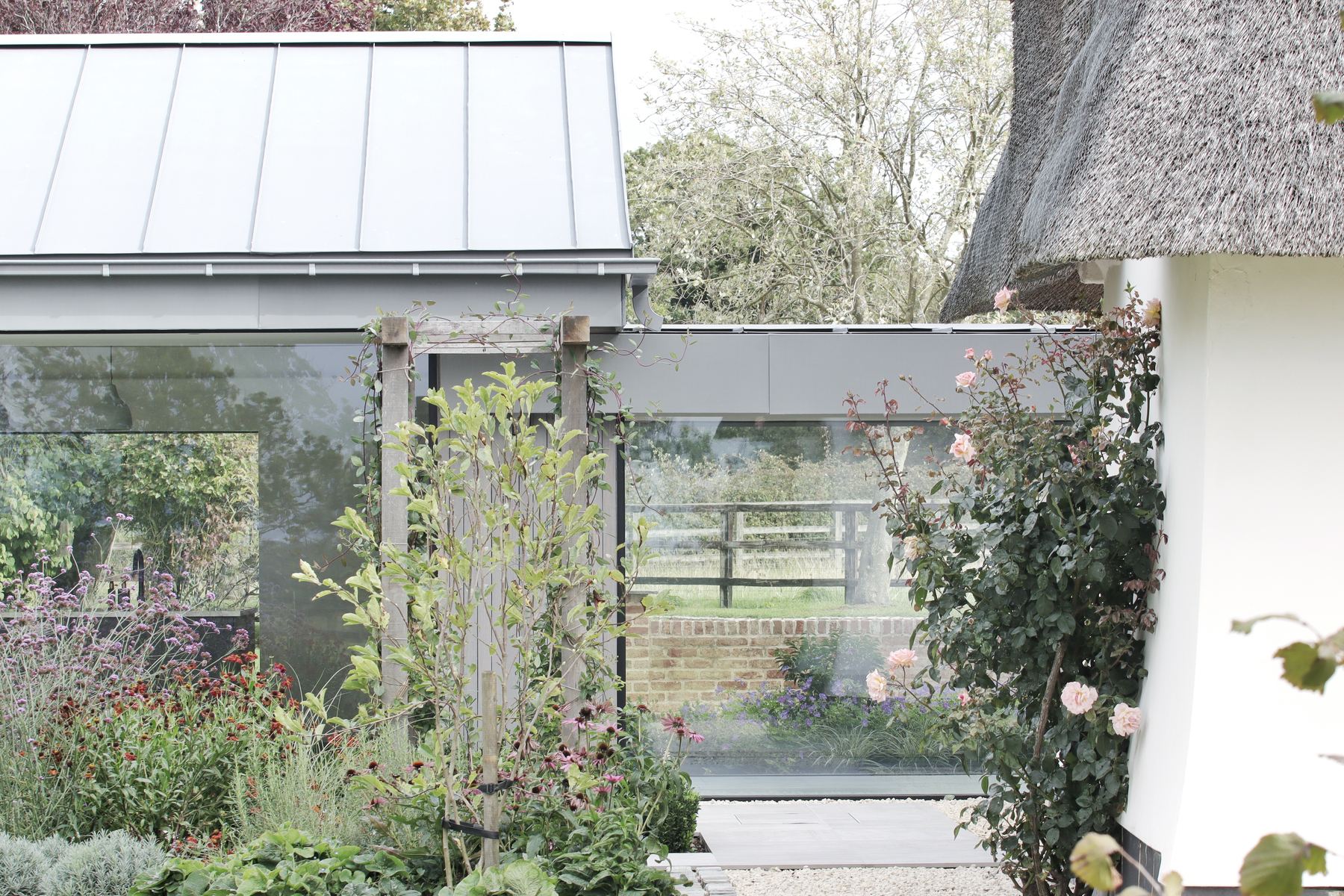
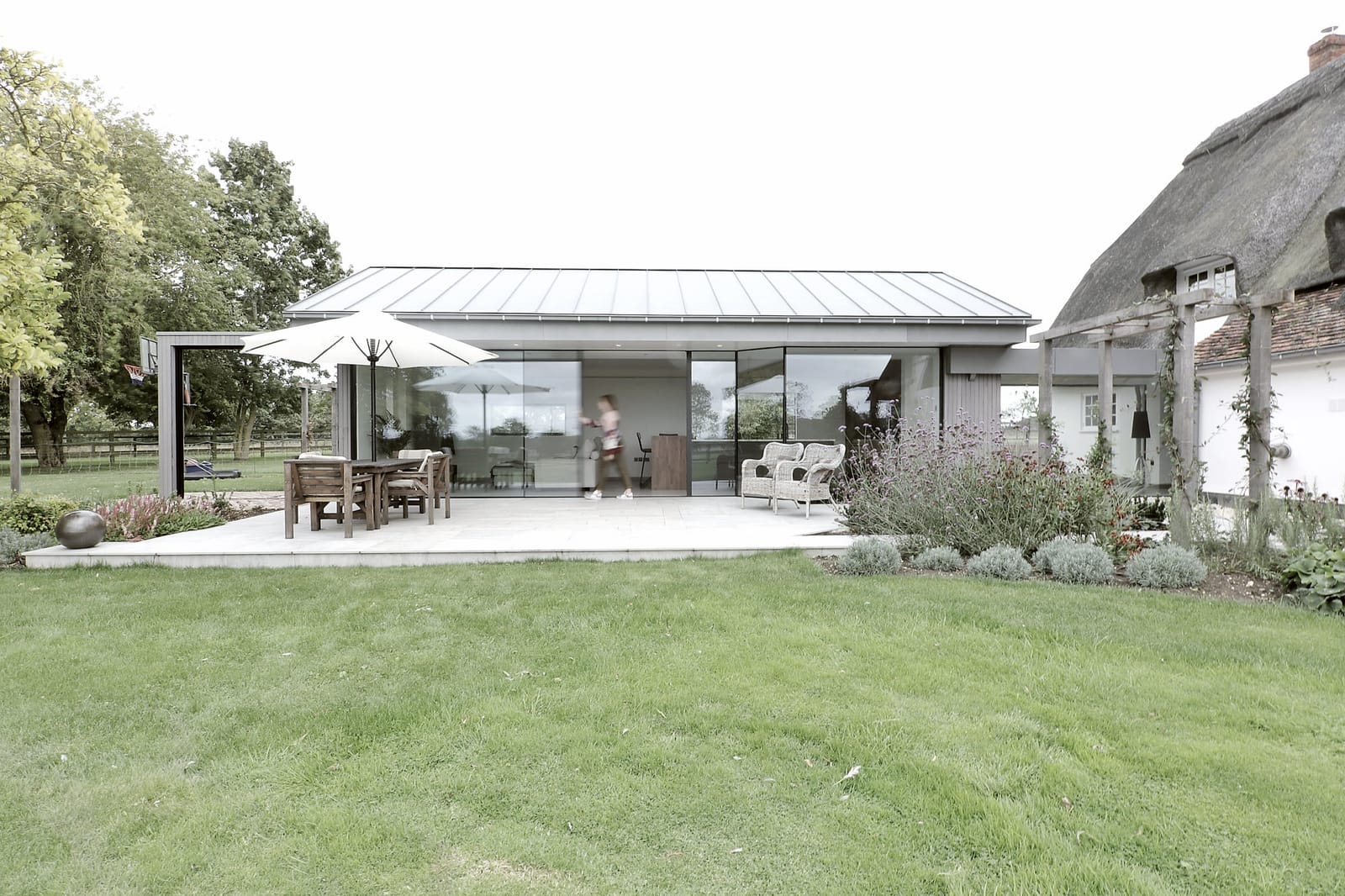
A contemporary new-build annex beside a Grade II listed thatched farmhouse. The brief was simple: something honest. Not heritage pastiche, not something that ignores where it is.
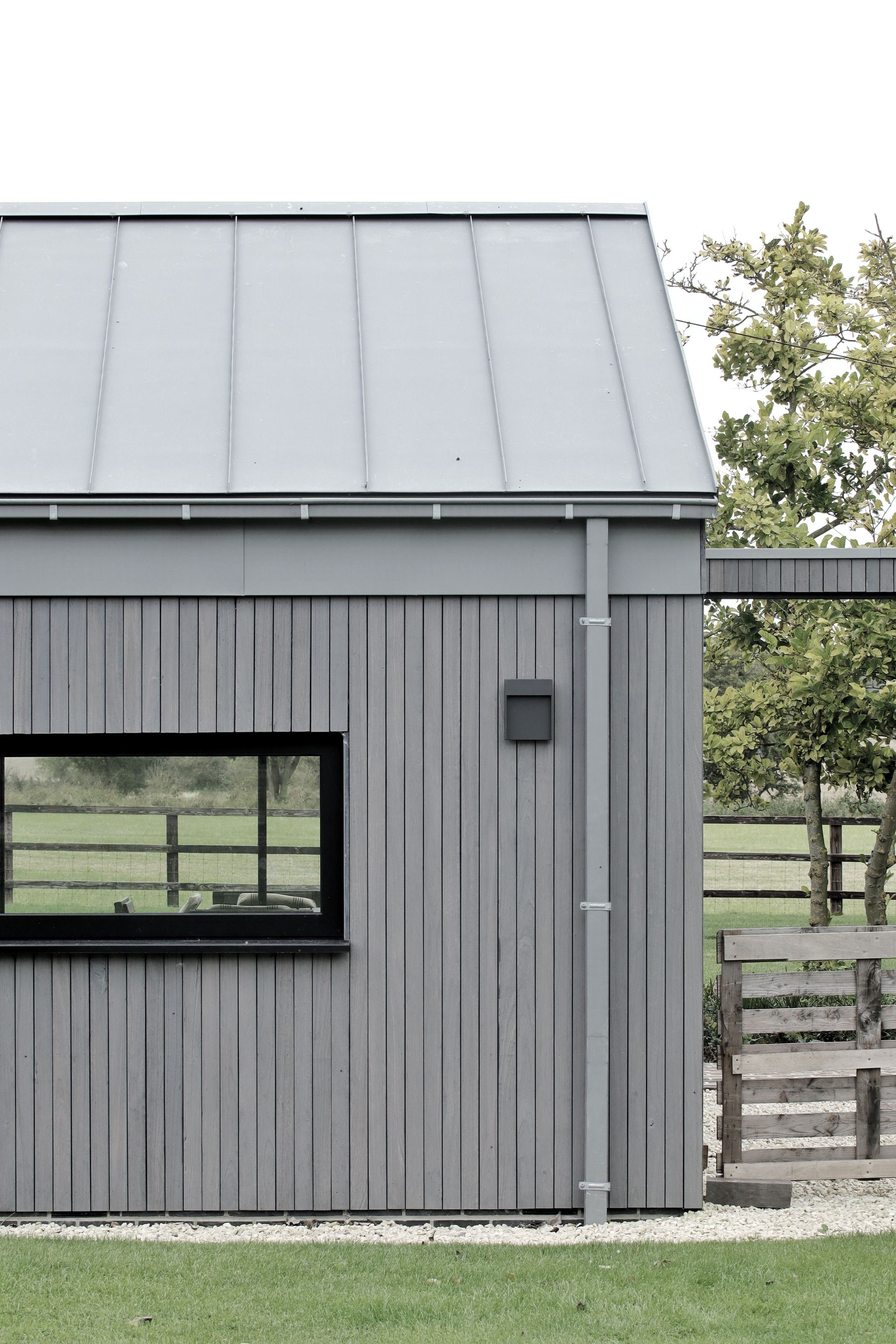
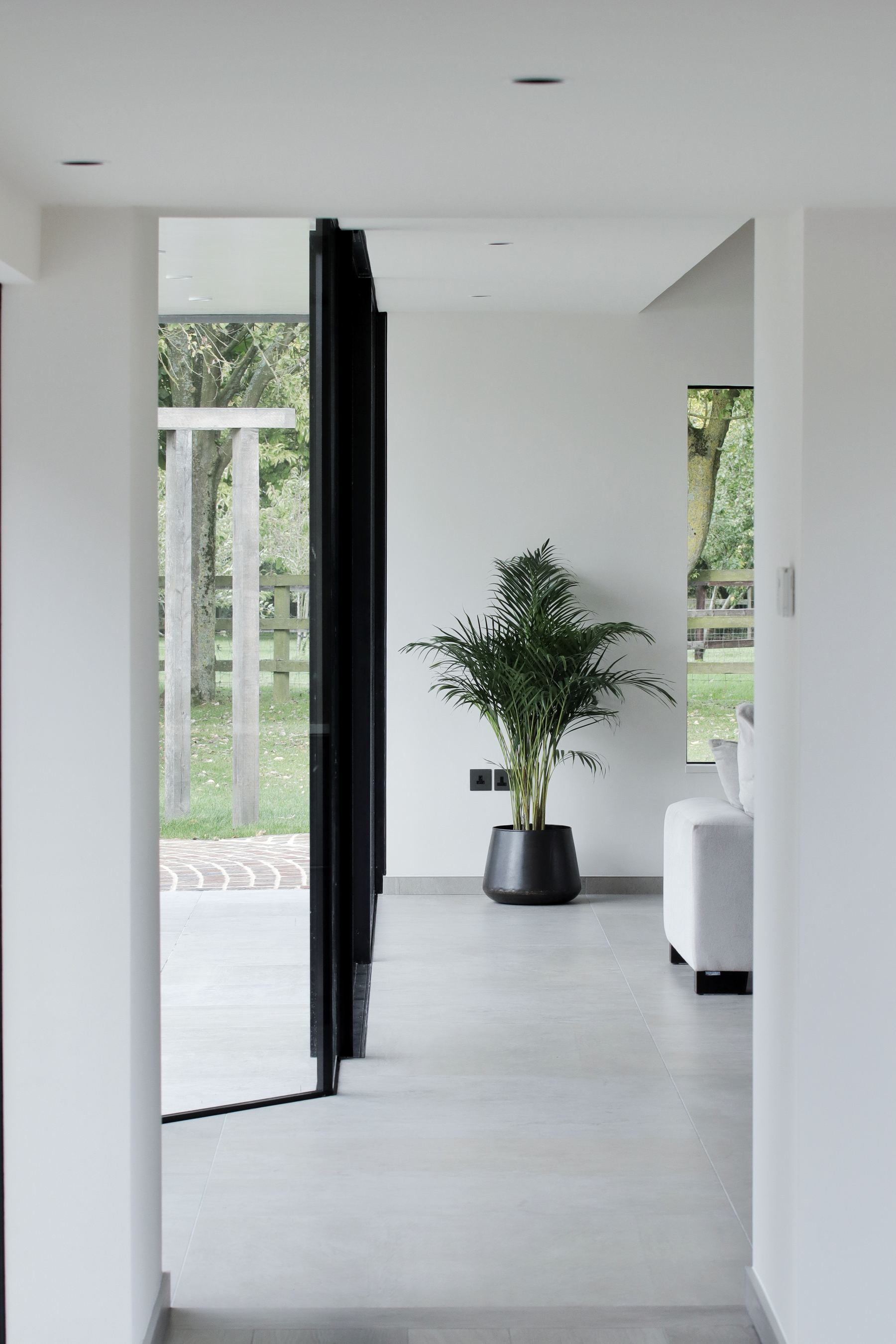
Charred timber cladding, standing seam zinc roof, full-height structural glass on the courtyard face. The structural glazing panels were installed by spider crane. A brick plinth grounds the building in the landscape and references the farmhouse's own palette.
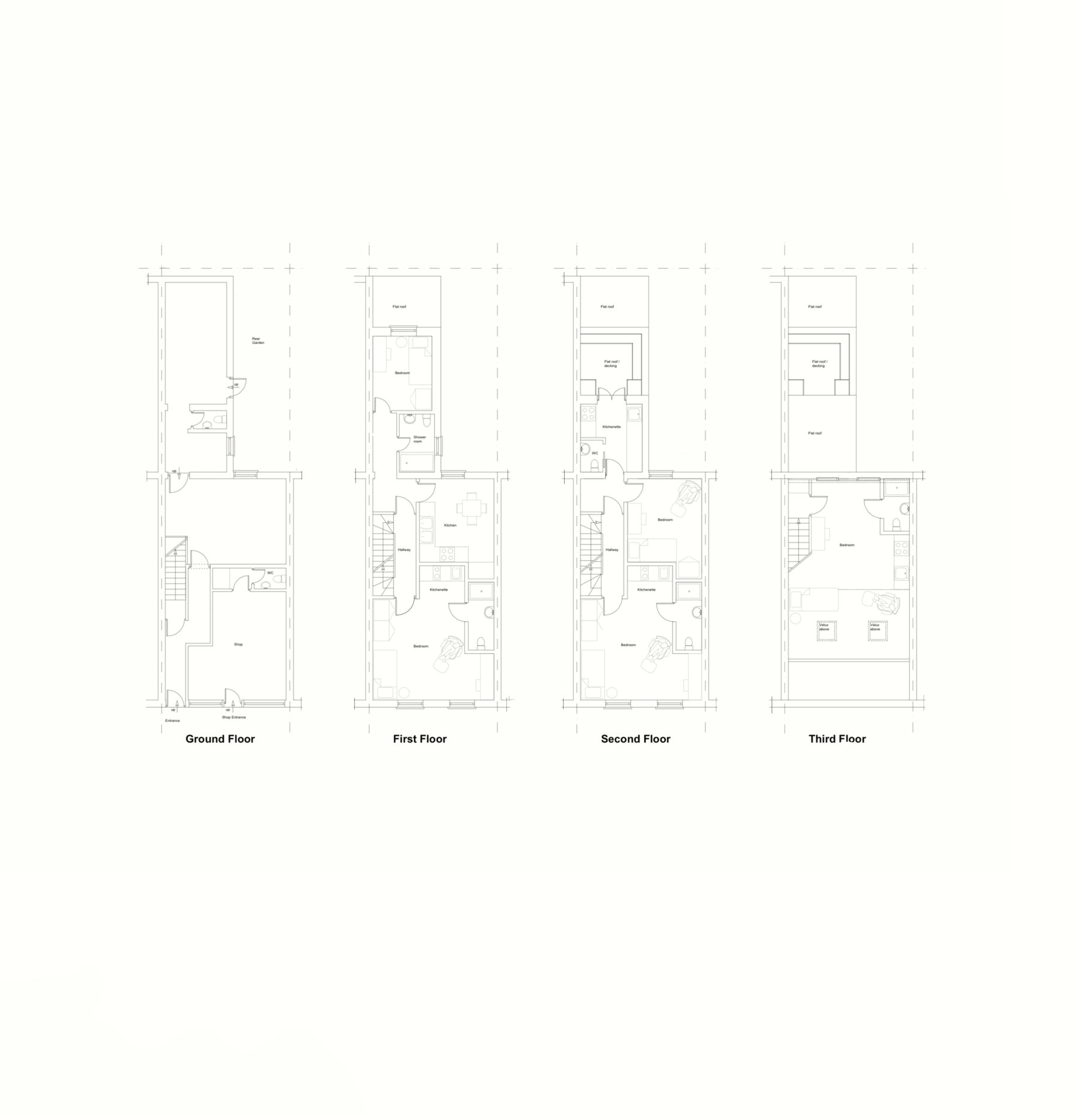
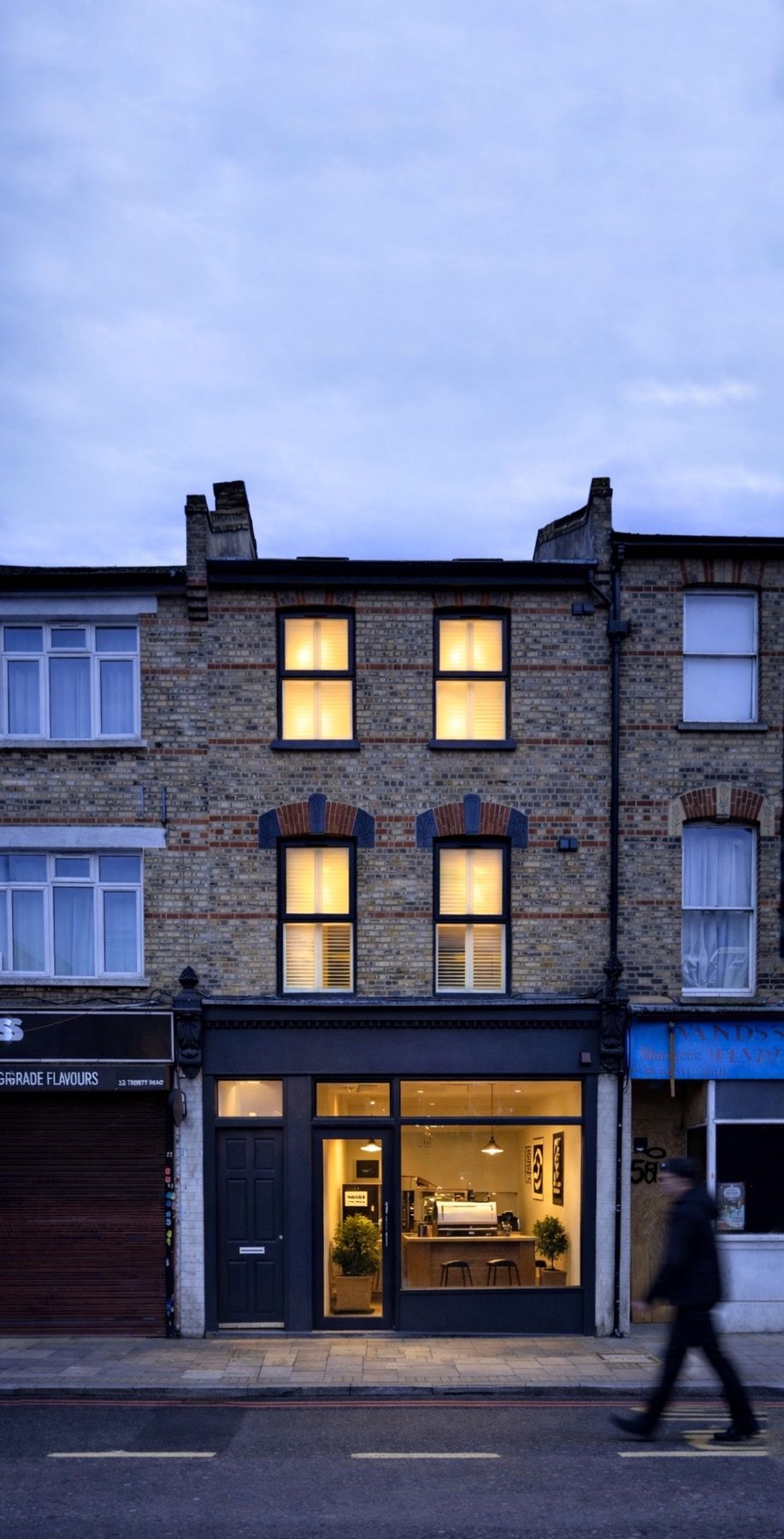
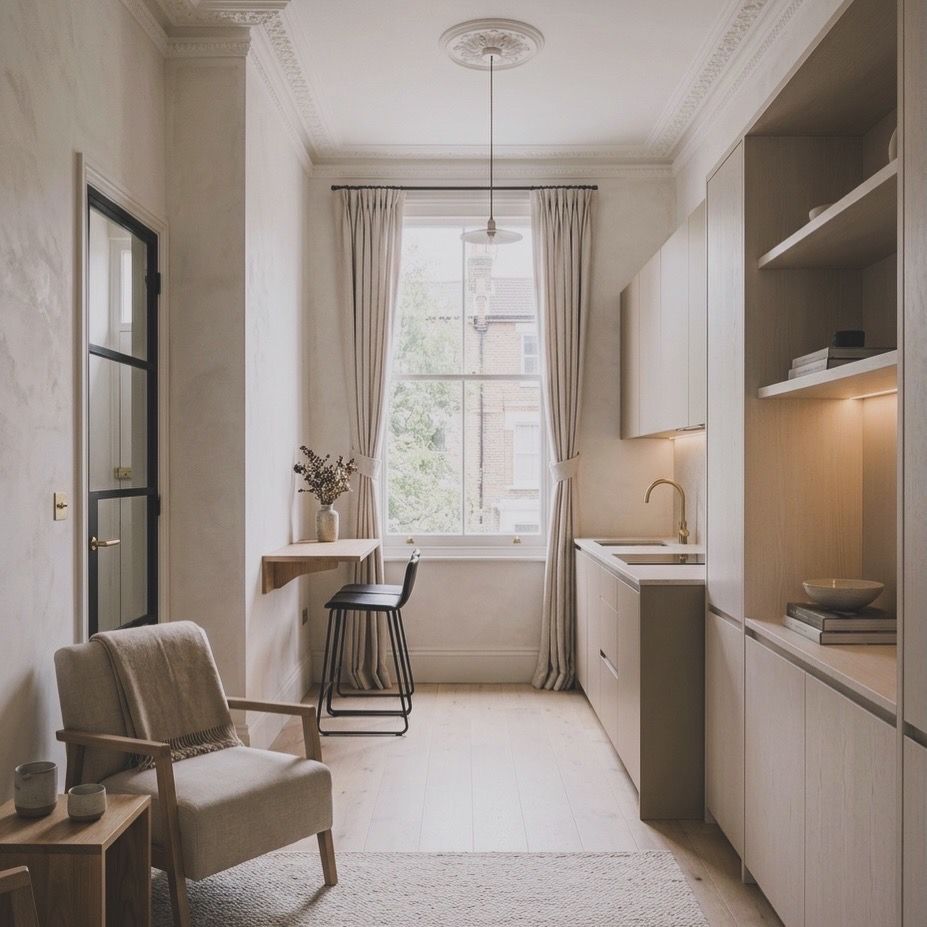
A comprehensive refurbishment of a Victorian terraced property in Wandsworth, converting a single dwelling with ground-floor commercial use into a carefully designed house in multiple occupation. The project involved rear extensions at ground and first floor, a full loft conversion, and the complete fit-out of four self-contained studio flats across three upper floors.
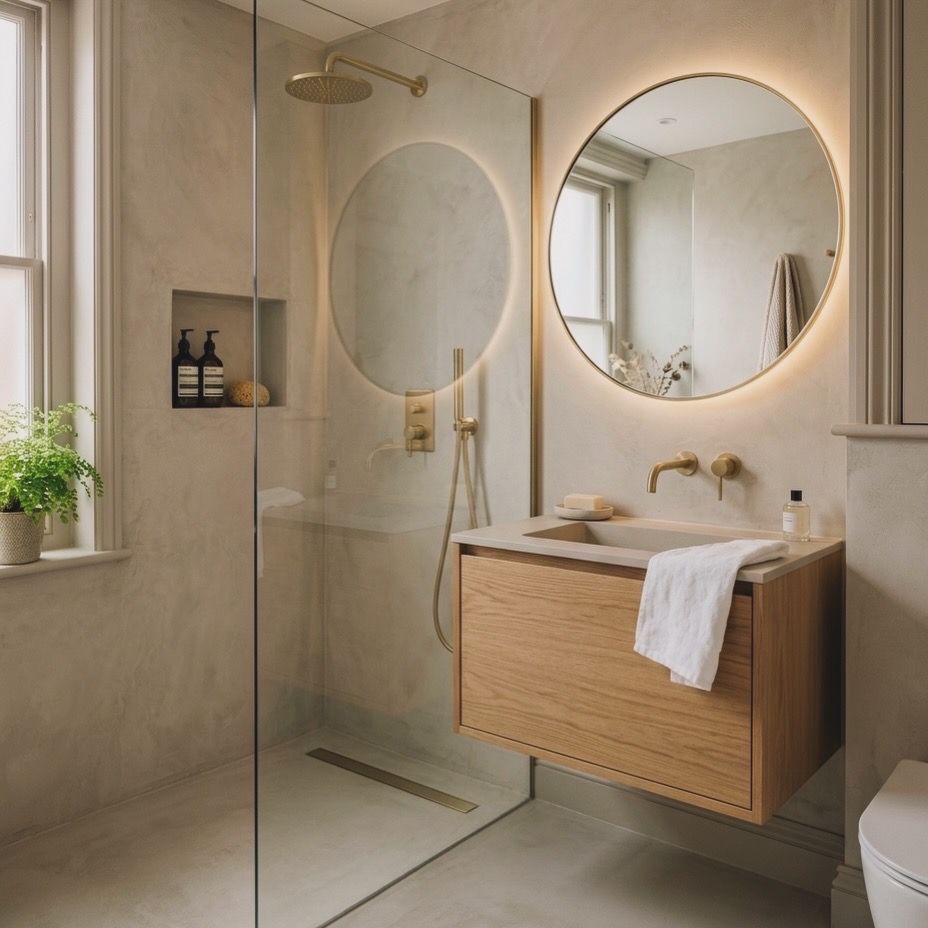
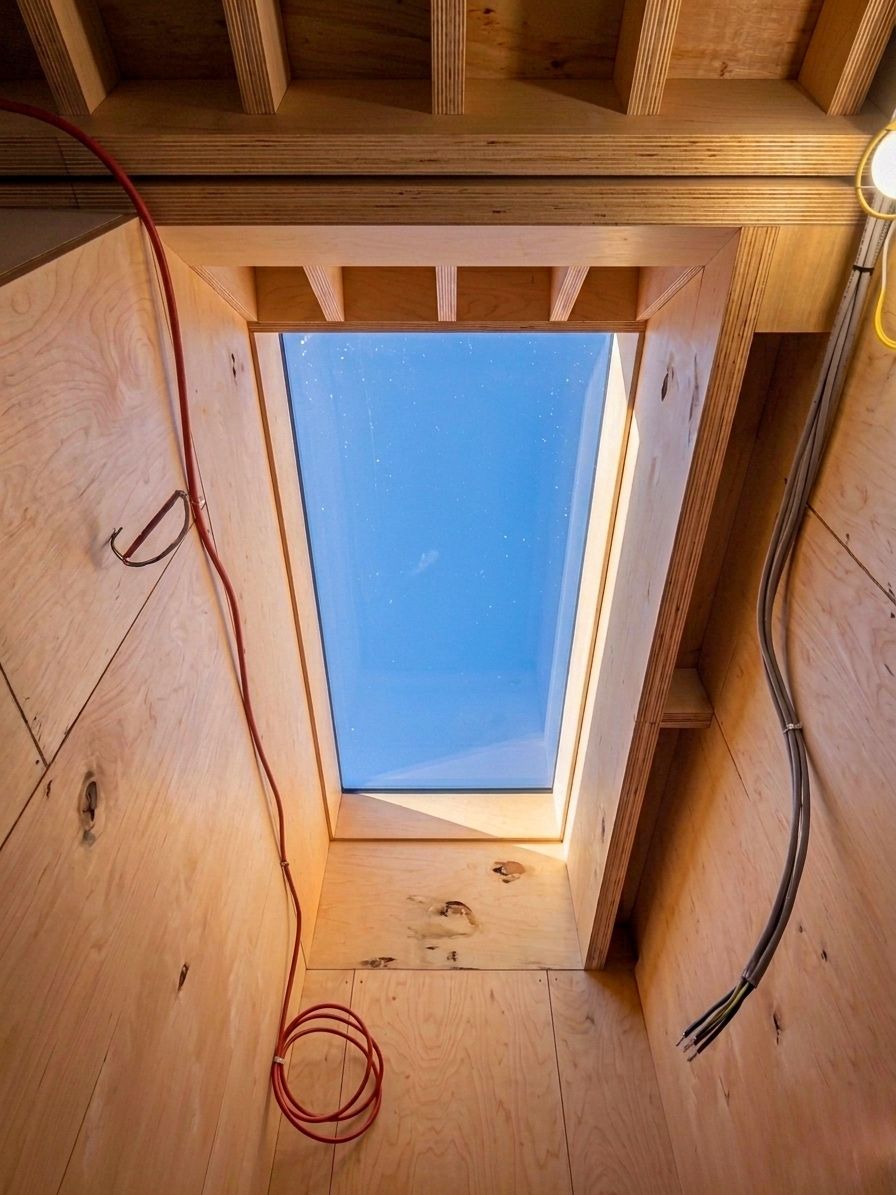
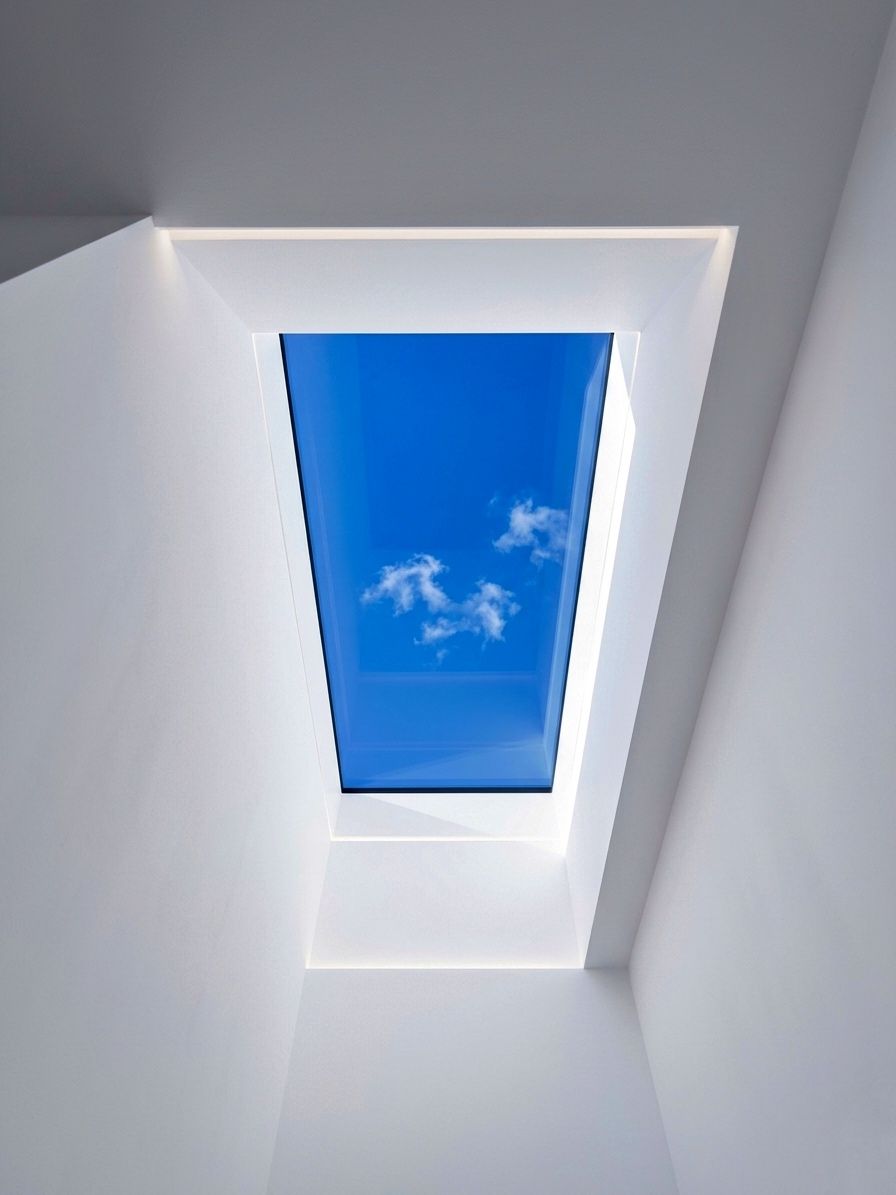
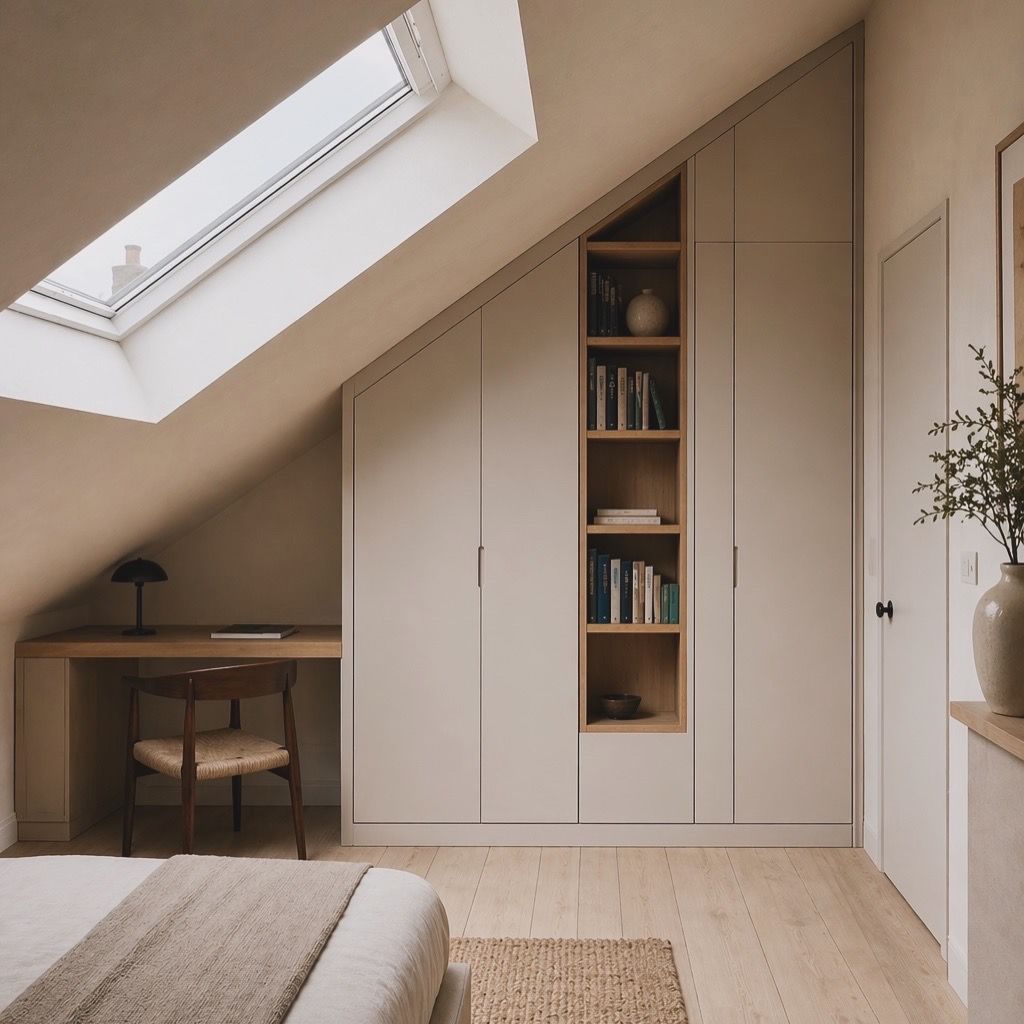
Each unit was designed to maximise the quality of living within a compact footprint — period features retained and restored, bespoke joinery fitted throughout, and a consistent material palette of microcement, oak and brass used across kitchens and bathrooms. The loft conversion introduces a new bedroom with a rooflight that floods the top floor with daylight. A sustainability strategy informed the envelope upgrades: improved insulation, high-performance glazing, and mechanical ventilation with heat recovery specified throughout.
Planning permission was obtained for the rear extensions, loft conversion, and change of use to HMO. The project demonstrates that density and quality are not in conflict — careful design at every scale makes the difference.
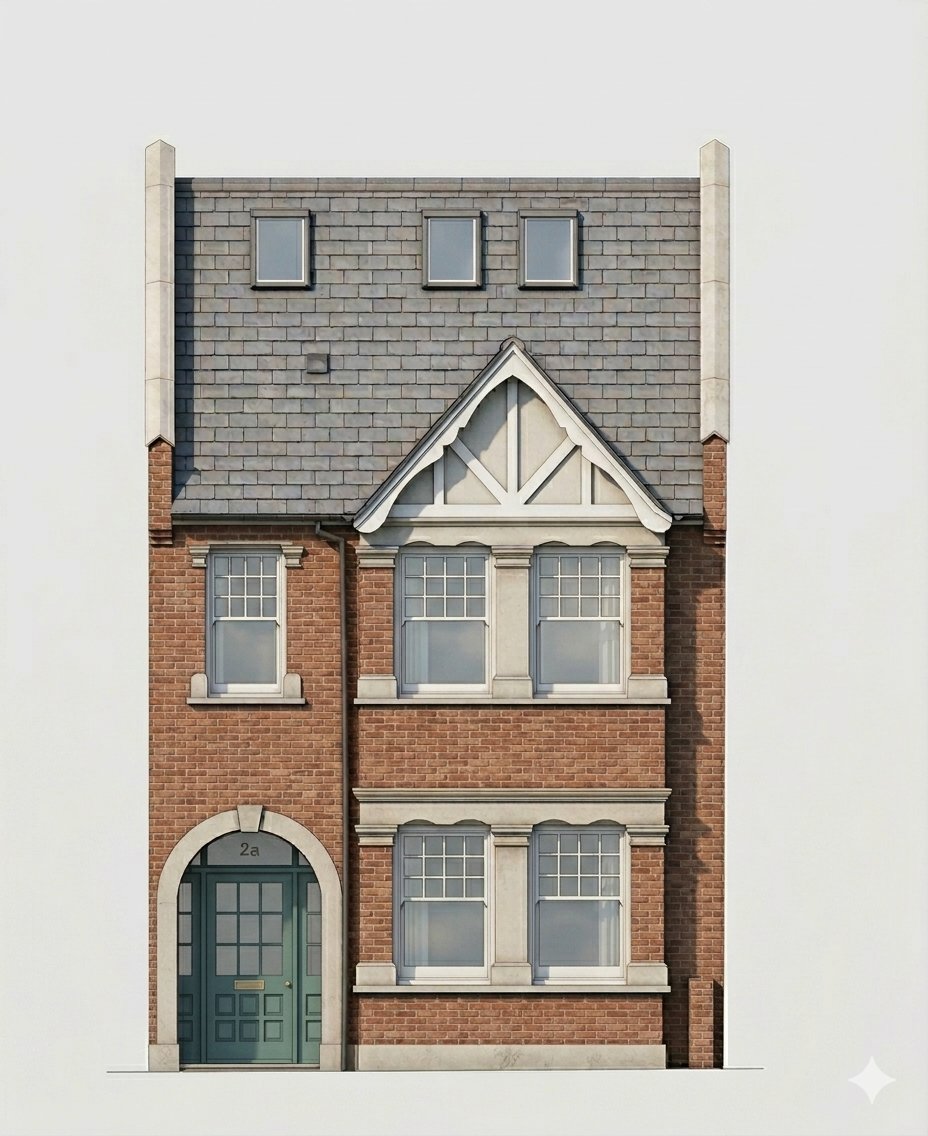
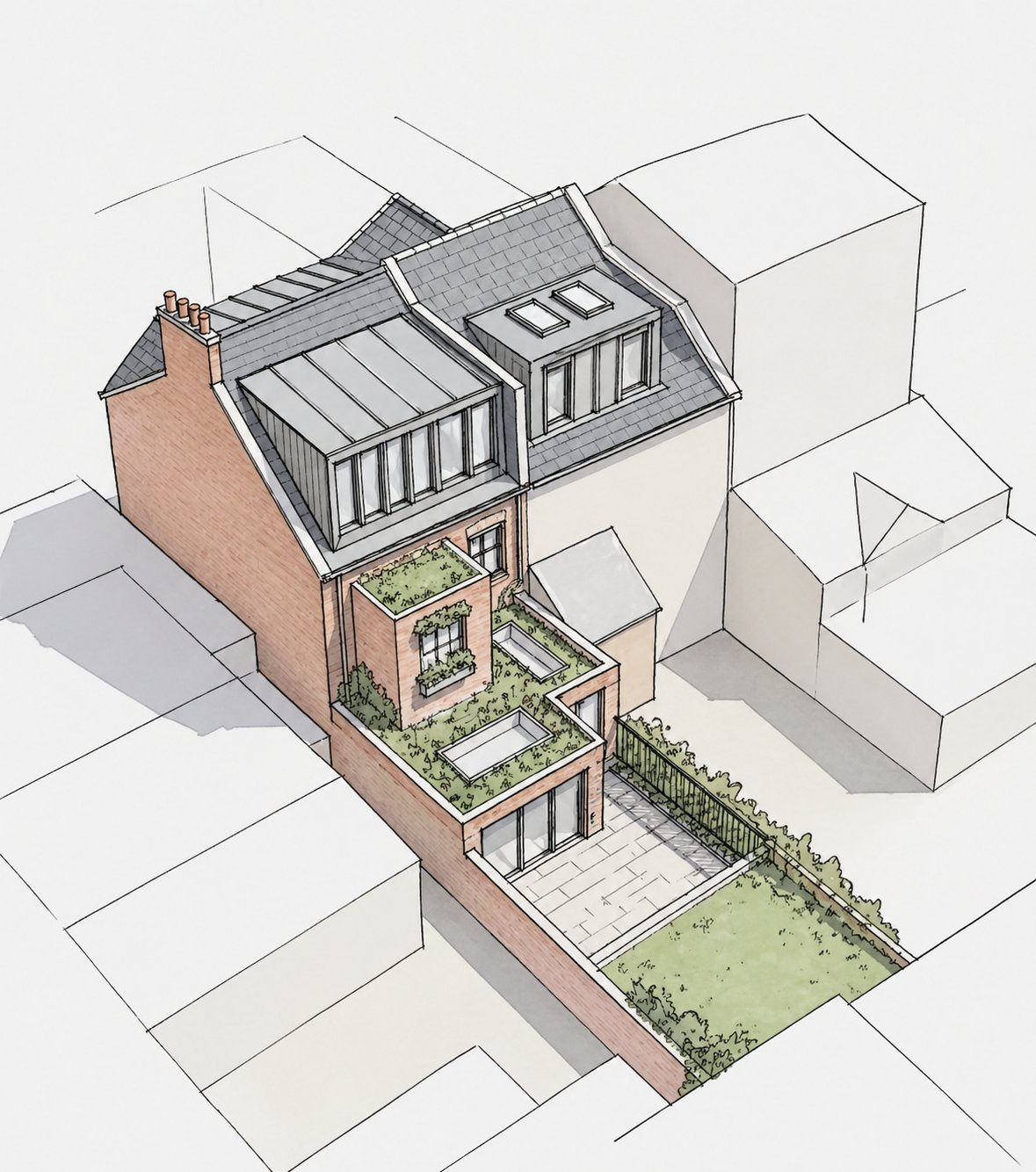
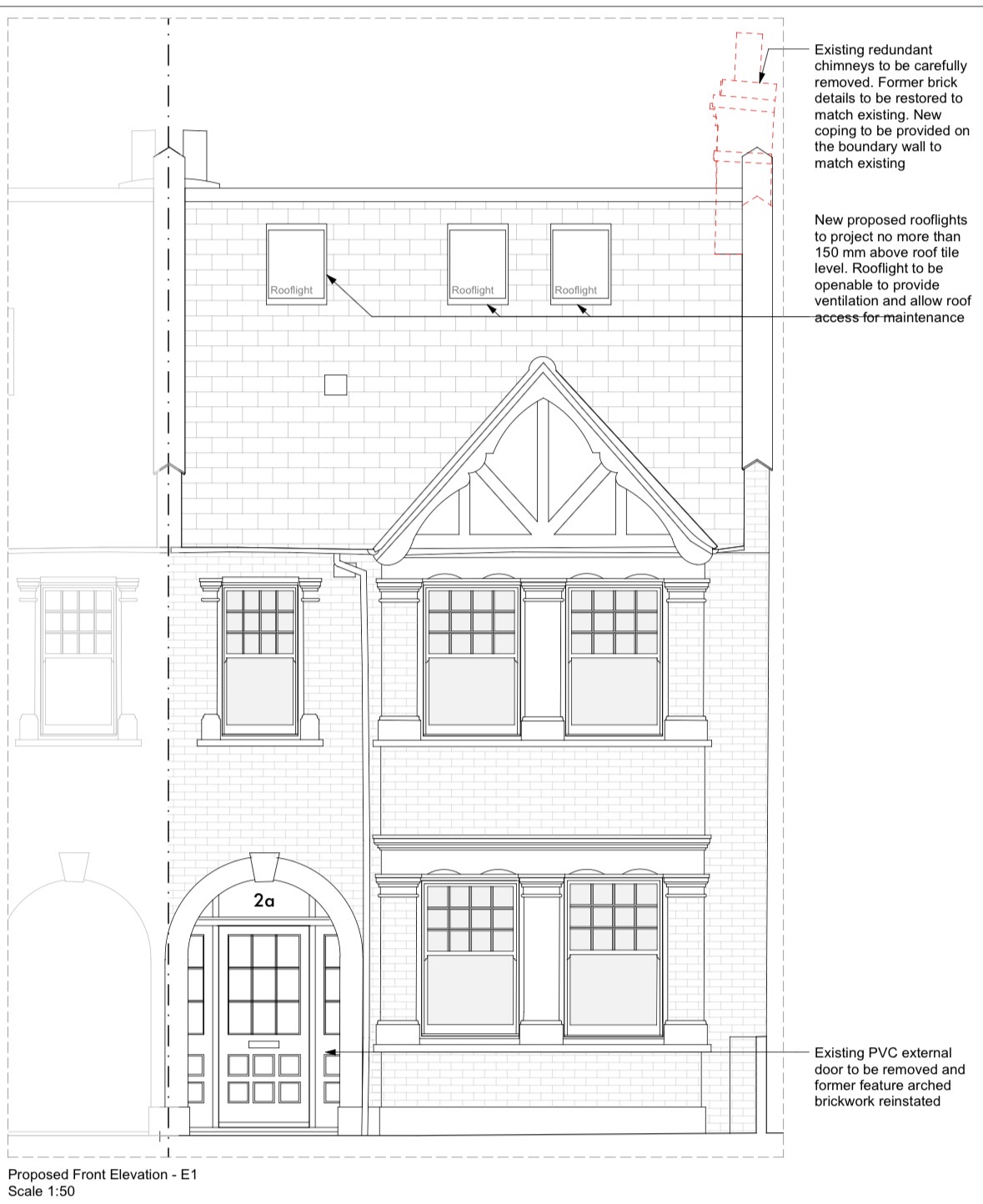
A comprehensive refurbishment of a Victorian semi-detached house in North Acton, bringing together five separate planning approvals into a single coherent project: historic facade restoration, rear extension at ground and first floor, loft conversion, chimney removal, and new rooflights.
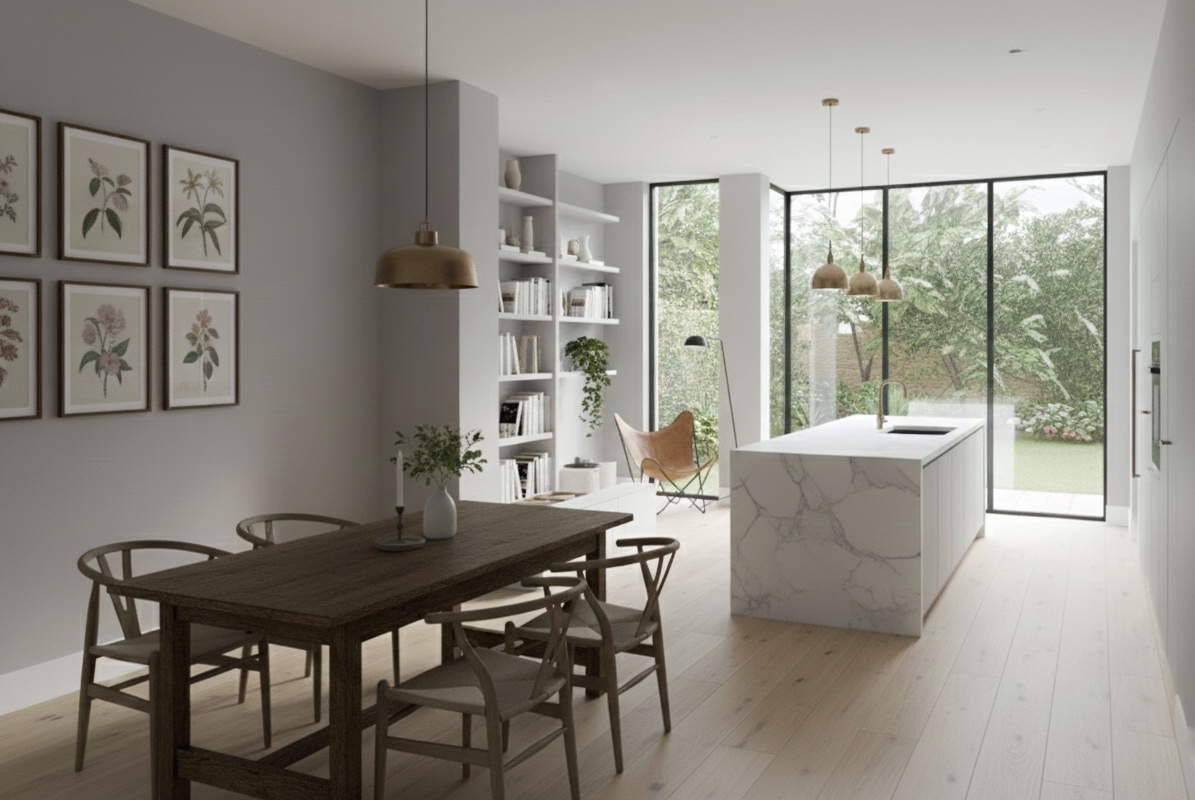
The front elevation had been altered over the decades — PVC windows, a replacement door, inappropriate additions. Planning consent was obtained to reinstate the original arched brickwork entrance, restore period details, and introduce flush rooflights projecting no more than 150mm above the tile level. At the rear, the extensions open the ground floor into a generous kitchen and dining room, with full-height glazing bringing the garden into the home. The loft conversion adds a further bedroom and bathroom at the top of the house.
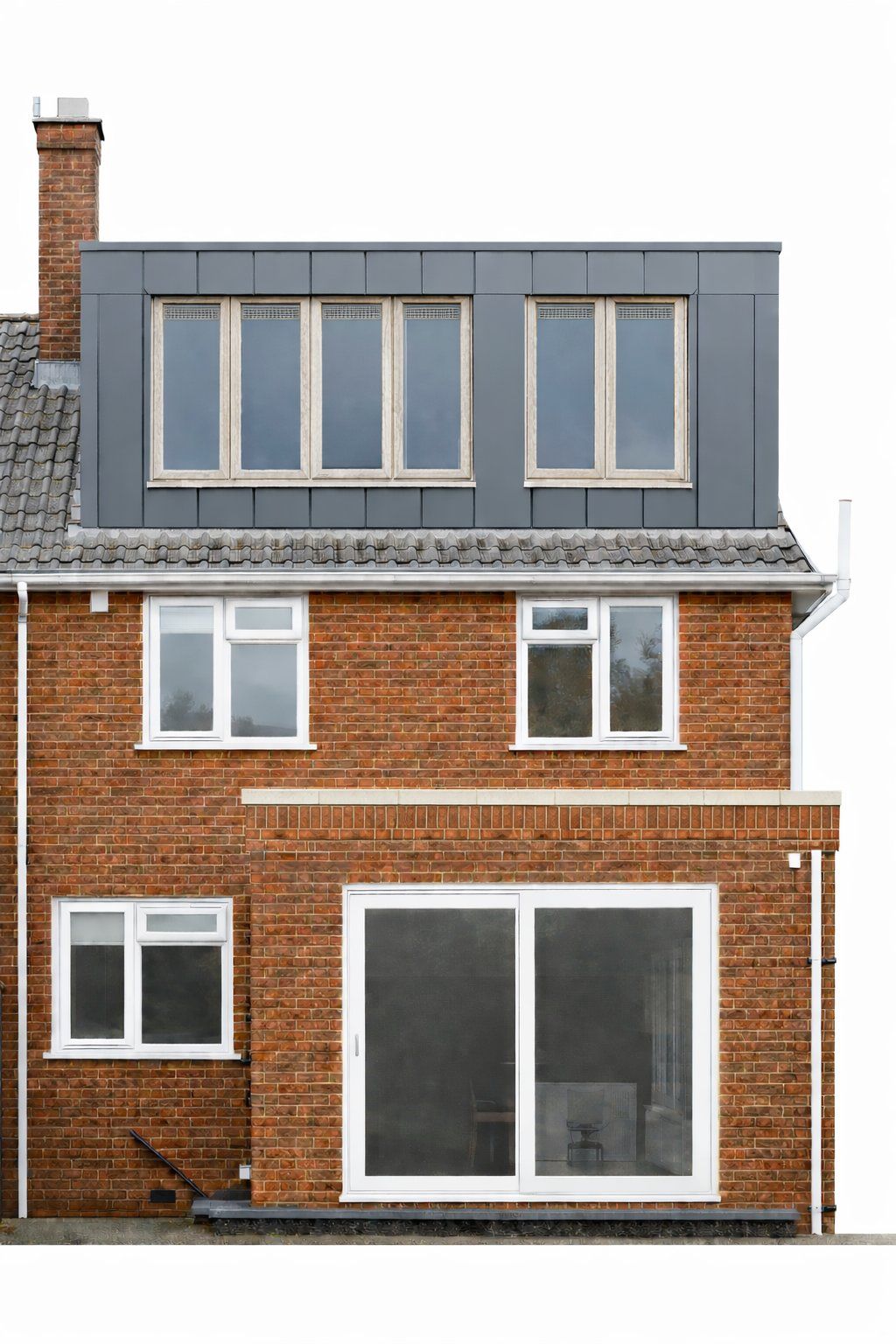
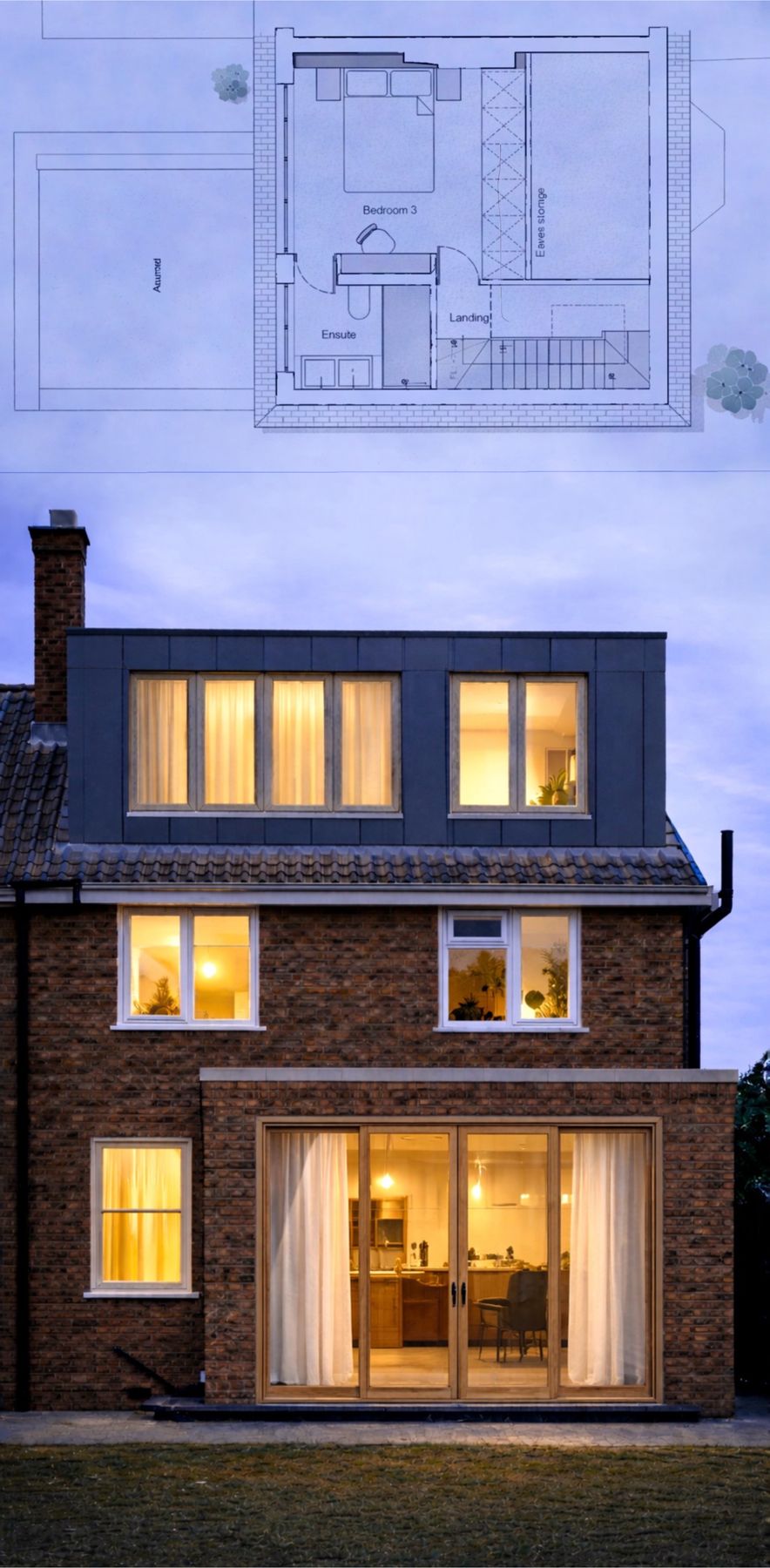
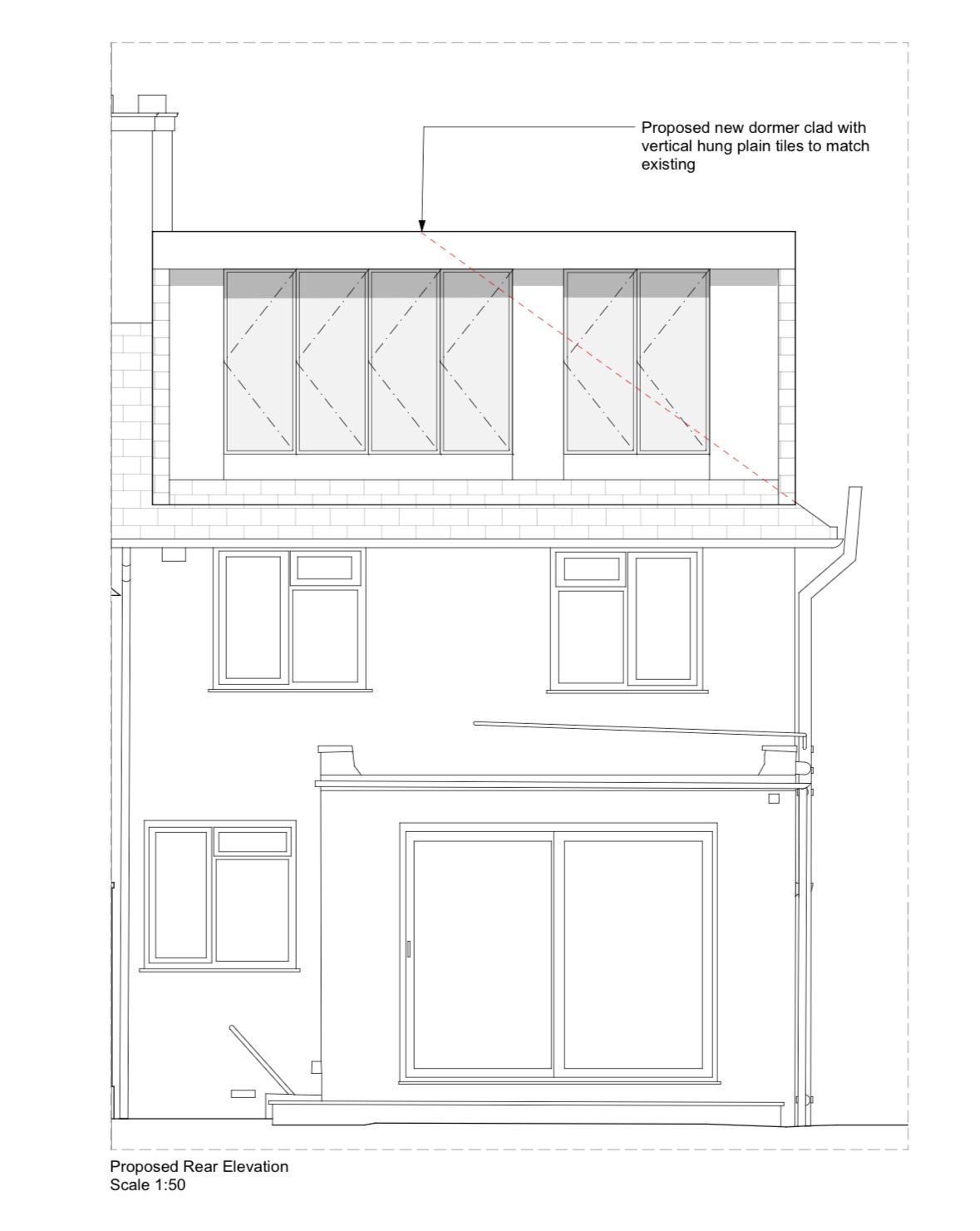
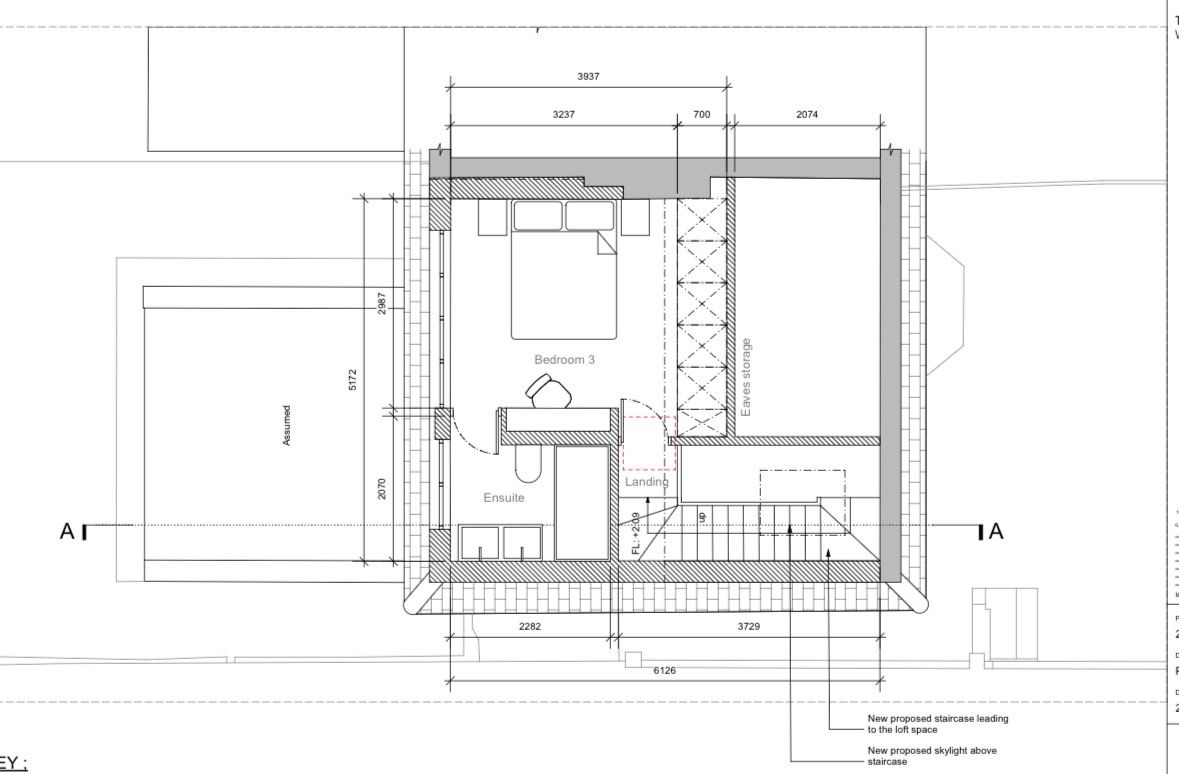
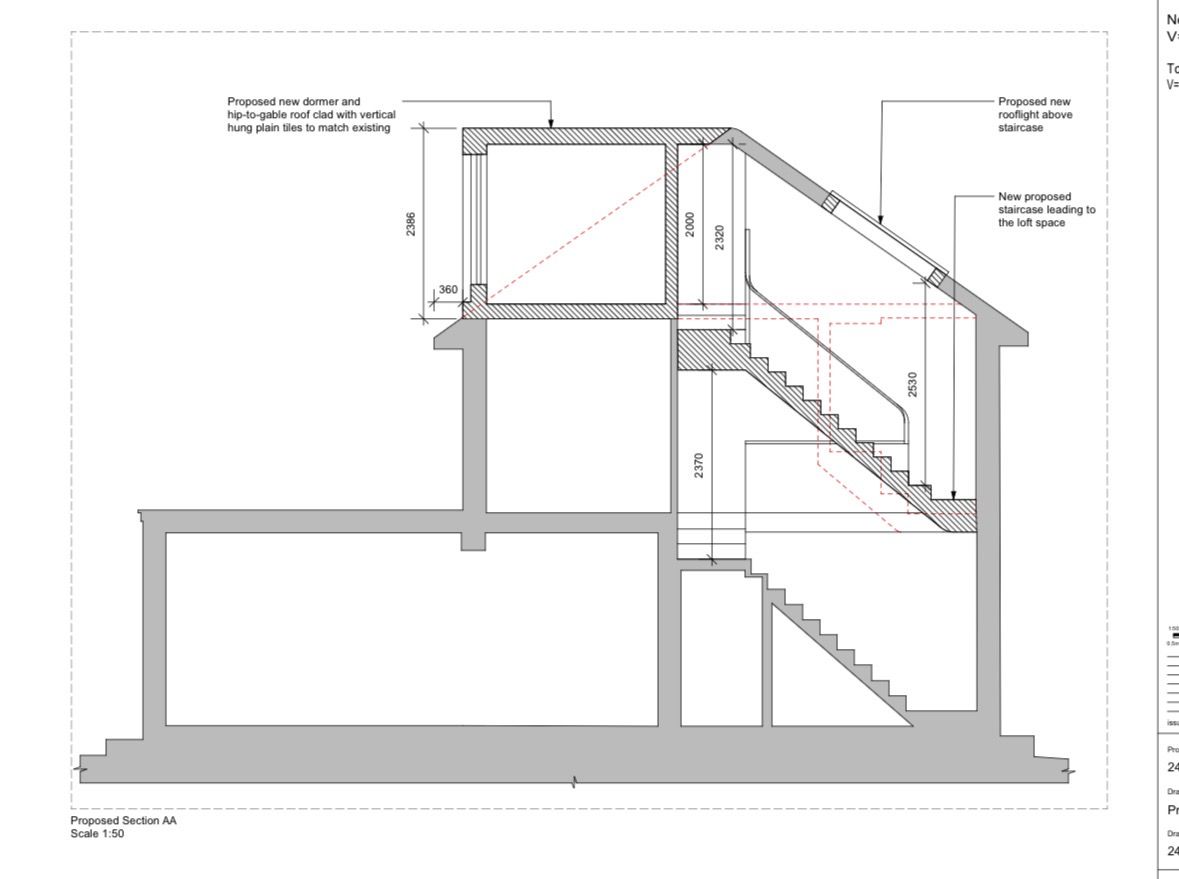
A semi-detached house in South West London — a loft conversion under permitted development, combined with a full internal refurbishment. The project adds a new master bedroom with ensuite and eaves storage at roof level, while reconfiguring the floors below to improve the layout and quality of the existing rooms.
The dormer is clad in vertical hung plain tiles to match the existing roof material — a deliberate choice that respects the character of the house without imitation. A new staircase with a rooflight above brings natural light down into the heart of the building. At ground floor, full-height sliding doors to the rear garden open the kitchen and living space outward.
The project was delivered under permitted development, removing the need for a planning application and reducing the timeline from instruction to construction significantly.
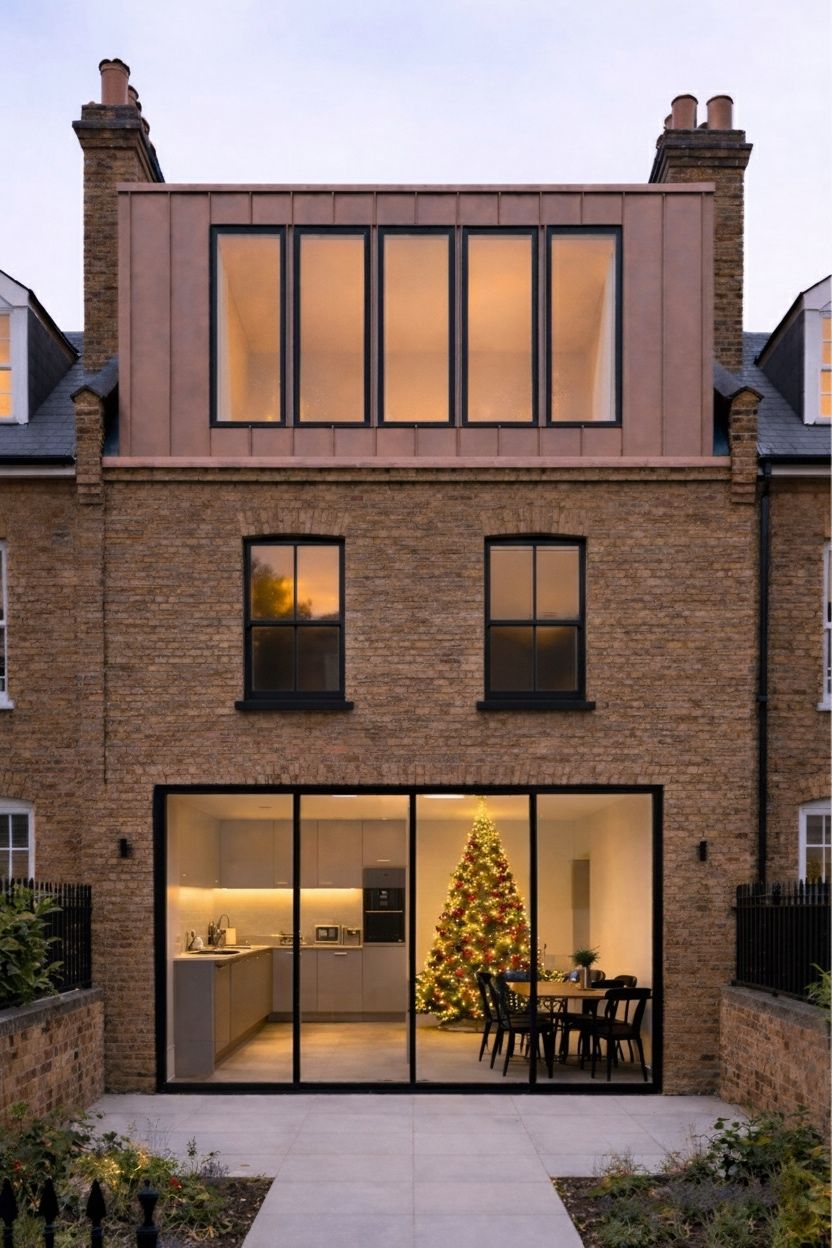
A Victorian terraced house in South London, given a new top floor through a loft conversion delivered entirely under permitted development. The new bedroom sits above the original roofline — a deliberate object rather than an apology, clad in copper standing seam against the existing London stock brick.
Copper is not a typical choice for a PD dormer. It was selected for its warmth against the yellow-brown stock brick, its ability to age into the building rather than fight it, and its longevity. The full-width glazing across the rear of the dormer brings an extraordinary quality of light into the bedroom — a room that feels like a different kind of space from the floors below. The dusk photography captures it at its most alive: lit from within, the copper already shifting in tone, the brick reading as solid and settled beneath it.
The project was delivered under permitted development, avoiding a planning application entirely. It demonstrates what is possible within PD rights when the design is treated as seriously as any other commission.
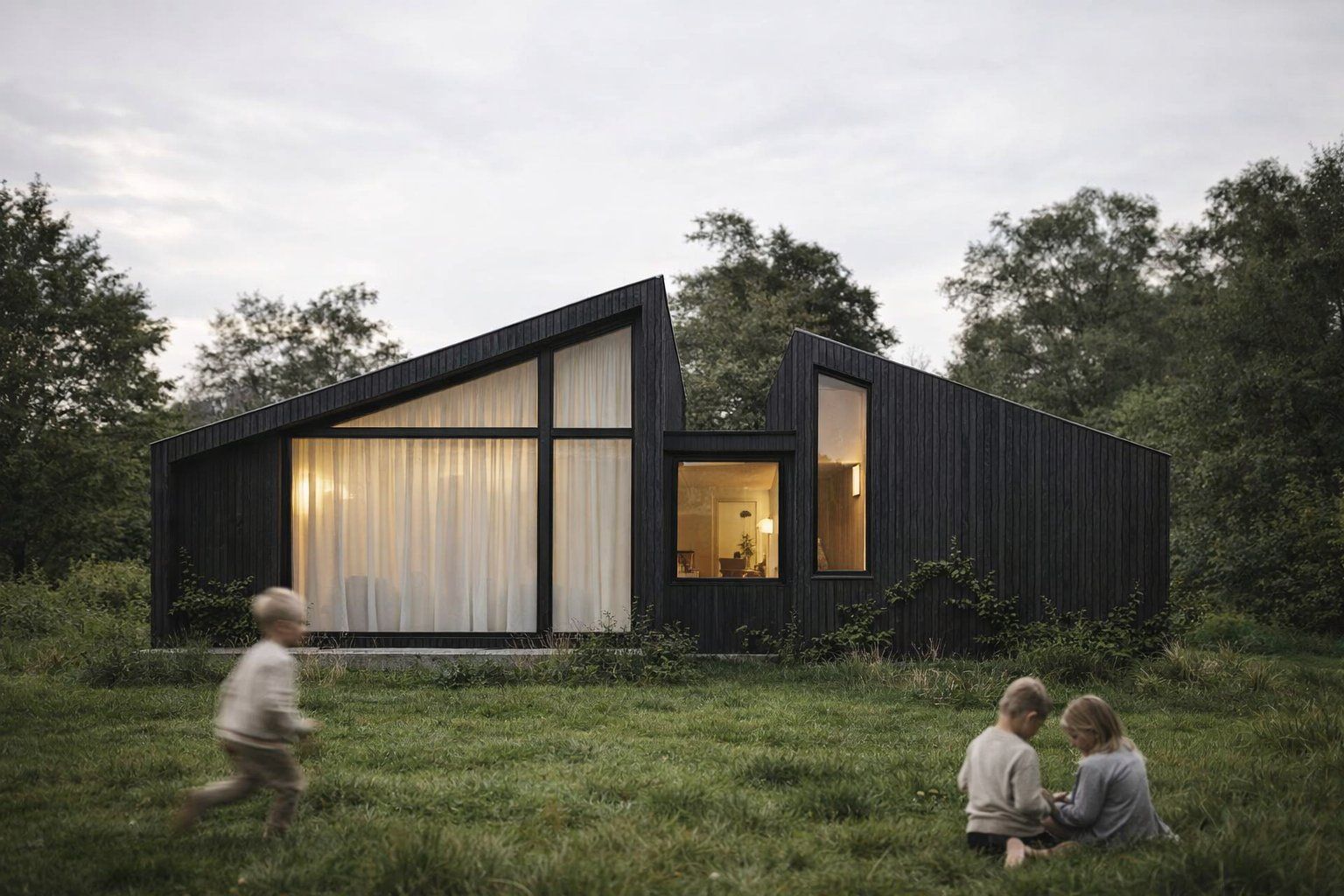
A new dwelling in a rural setting, granted planning permission under Paragraph 55 of the National Planning Policy Framework — a policy that allows isolated new homes in the countryside where the design is of truly exceptional quality and represents a significant enhancement of its immediate setting.
Paragraph 55 applications are among the most demanding in the planning system. The design must convince the planning authority — and in most cases an independent design review panel — that the building is genuinely outstanding: not merely well-designed, but transformative of its site and capable of standing as a piece of architecture of lasting quality. The bar is high by intention.
This building meets that test. The asymmetric pitched form is simple and resolved, reading as a single object in the landscape rather than a collection of parts. Charred timber cladding gives the building a material honesty and a relationship to the woodland that surrounds it. Full-height glazing on the principal elevation dissolves the boundary between inside and out. The building earns its place in this landscape precisely because it makes no attempt to disguise what it is.
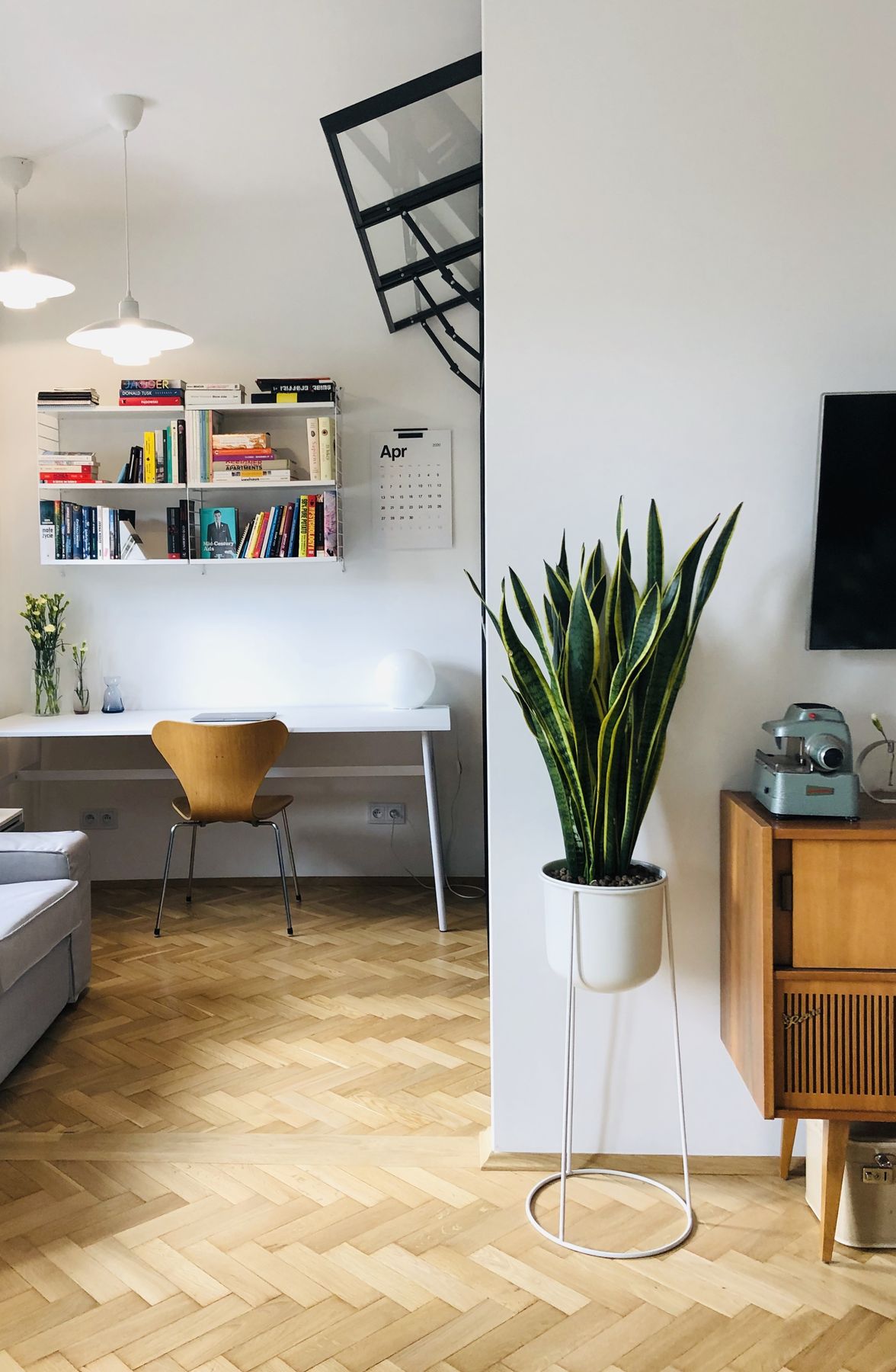
A full refurbishment and interior design of a flat in Warsaw — a compact but generous space reorganised around a single material palette and a clear spatial logic. The brief was to create a home that feels designed without feeling decorated, where every surface and piece of joinery earns its place.
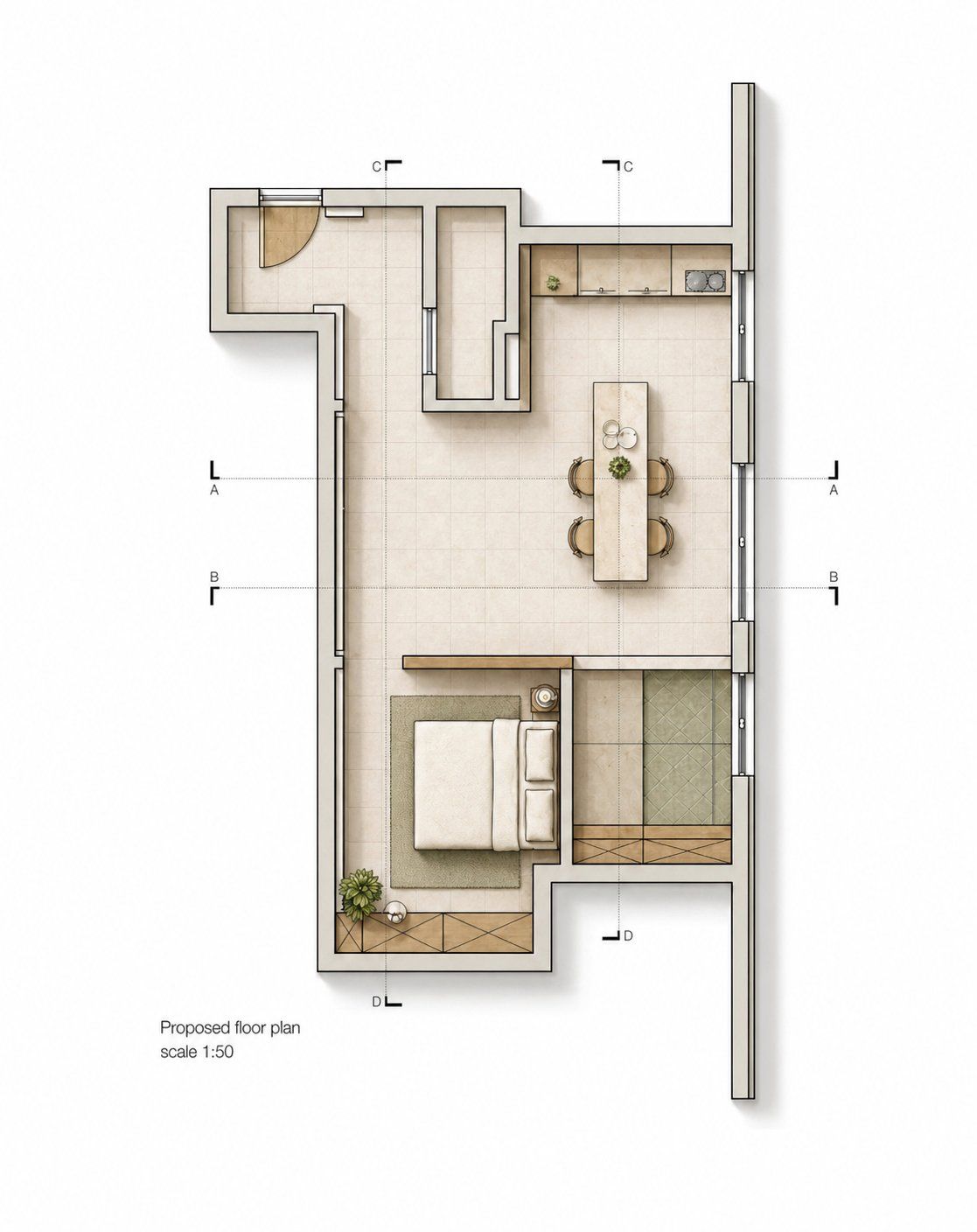
The floor plan was rethought entirely: the kitchen moved to open onto the main living space, the bedroom given a depth and calm it previously lacked, and a bathroom carved from what had been corridor space. A herringbone oak floor runs throughout, unifying rooms that had previously felt disconnected. The black steel and glass staircase — a feature of the original building — was retained and made into the focal point of the living room rather than hidden away.
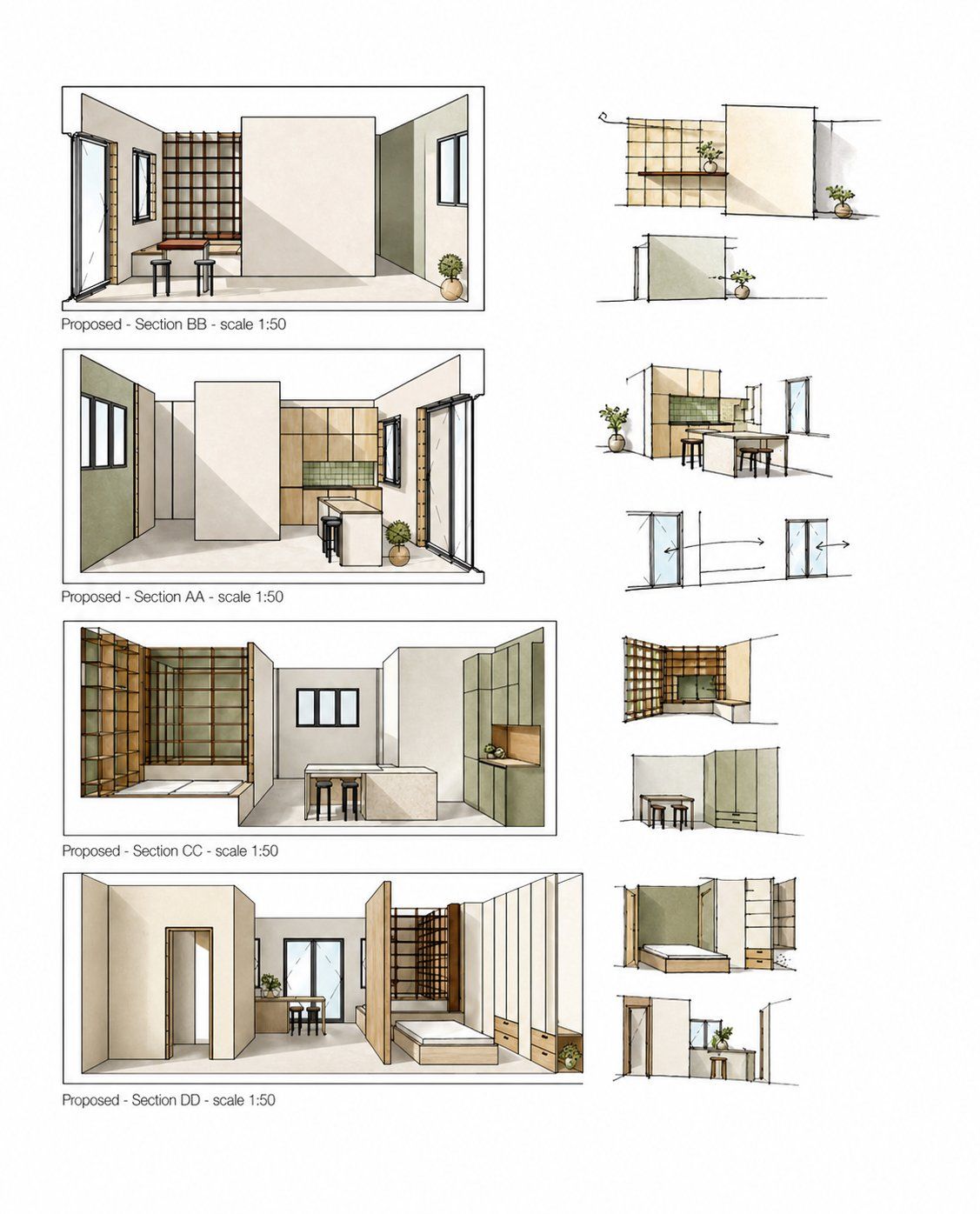
The design was developed through hand-rendered interior sections at 1:50 — a working method that keeps the spatial and material decisions integrated. Colour, joinery, light and proportion are resolved together, not added in sequence. The result is a flat that is quiet and considered, where the quality comes from what has been removed as much as from what has been added.
Four stages, one point of contact. You tell me what you want. I handle the rest.
I start by understanding how you actually live, not just how many rooms you need. You receive layout options, early sketches, and a design brief — so you can make confident decisions before spending a penny on builders or planning fees.
Full planning permission, listed building consent, or permitted development confirmation — I manage the entire process. Drawings, documentation, council communications. None of it lands on your desk.
Fully detailed construction drawings covering structure, materials, lighting, finishes, and building regulations compliance. Good technical drawings mean accurate quotes and no surprises on site.
I stay involved throughout the build, working alongside your contractor to ensure the design is delivered. Problems get caught early. You have someone to call who knows the project inside out.
Three areas where the wrong choice costs time and money. I know how these processes work from the inside.
PD rights are not automatic. Article 4 directions, previous extensions, volume limits and conservation area restrictions can all invalidate a PD claim. I check everything before you spend a penny on construction.
Check your property →Works to a listed building require Listed Building Consent where they would affect its character as a building of special architectural or historic interest. I know how conservation officers and Historic England think, and I prepare applications to their standards from day one.
Book a consultation →Conservation area status can reduce or affect your permitted development rights and may influence decisions on materials, windows, roof lines, and boundary treatments. Planning permission may be required, with conservation area considerations applied. I know what councils in your borough will accept.
Book a consultation →Plain-English guides to the decisions that matter most. No jargon. Written by an architect for homeowners.
What you can build in London without a planning application
This guide provides general information only. Permitted development depends on the specific property, including its planning history, location, previous extensions, and any restrictions such as Article 4 directions or listed status. Building Regulations and other consents may also apply. Where certainty is required, a Lawful Development Certificate should be obtained before starting work.
Types, planning rules, costs and timelines
This guide provides general information only. Whether a loft conversion falls within permitted development depends on the specific property, its planning history, location, previous works, and any applicable restrictions. Building Regulations approval will also be required. A Lawful Development Certificate is strongly recommended before starting work.
What the designation means and what to expect before starting any works
This guide provides general information only. Listed building controls vary depending on the grade of listing, the nature of the works, and the local planning authority's interpretation. Historic England and specialist conservation officers may also be involved. Professional advice should always be sought before carrying out works to a listed building.
London's permitted development rules vary by property type, size, and location. Select your details for an instant indication — free, no email required. For a full feasibility check, book a free call.
Book full PD consultation (free)Want me to check your specific property? Leave your details and I'll be in touch within 24 hours.
"Andrea understood immediately what we were trying to achieve — not just the rooms, but the feeling of the house. The planning application sailed through, and the builder said it was the clearest set of drawings he'd worked from in years."
"We have a listed building and had been told by two other architects it was too complicated. Andrea knew exactly what the conservation officer would want to see, and we got consent first time. I cannot recommend this practice enough."
"What I valued most was the honesty. From the very first call, Andrea told us exactly what was possible and what was not. The project came in on time, within the budget we had agreed, and the result is genuinely beautiful."
I'm Andrea Maugeri — an architect based in London with over ten years of experience working on residential projects across the city.
I run this practice independently, alongside a role as Practice Director at a consultancy. That combination keeps me close to real projects — I'm not just advising, I'm designing, drawing, and on site.
I started working for myself because I wanted to be genuinely useful to homeowners — not just technically competent, but someone you can actually talk to. Most people I work with have never hired an architect before. My job is to make that process feel straightforward, not intimidating.
I work across London on extensions, loft conversions, listed buildings, and full refurbishments. I also run a podcast called Secrets Behind the Finishes — where I talk through the things people most want to understand before they start a project.
Not sure where to start? A free 30-minute call answers most questions — no obligation.
Book a free callI started Secrets Behind the Finishes because most people arrive at their first consultation having spent weeks reading contradictory things online. So I decided to say clearly what I know — how planning actually works, what things cost, what to watch out for, and when to be sceptical.
It's aimed at homeowners, not architects. No jargon. No sponsorship. Just honest conversations about the process of changing your home.
Book a free 30-minute consultation. We will tell you exactly what is possible for your property, what it is likely to cost, and how long it will take — no obligation, no fee.
Free · No obligation · Usually available within 48 hours